
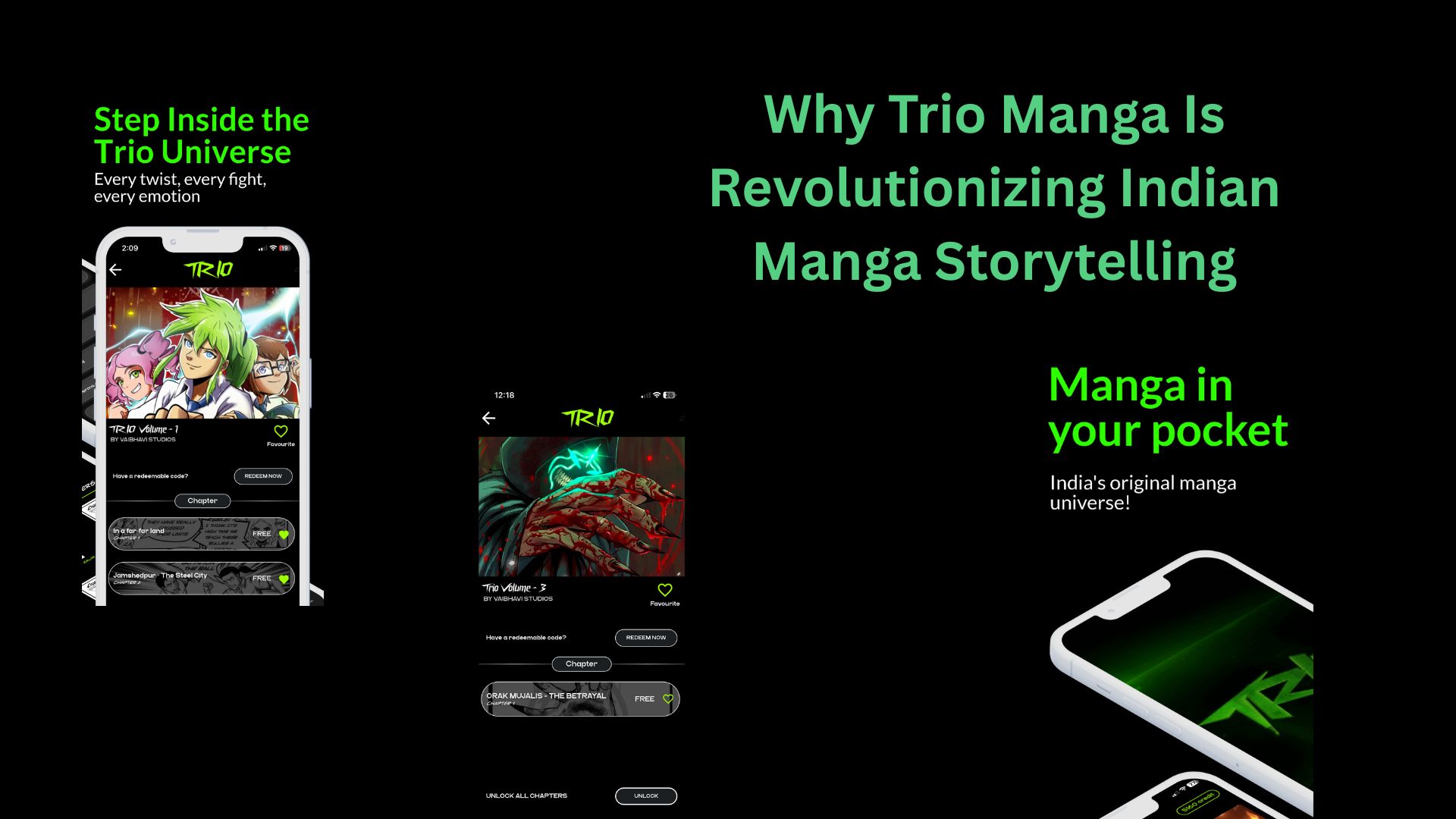

For decades, Japanese manga has dominated the global comic industry with its iconic storytelling and visual style. However, a new wave is emerging—Indian manga, and at the forefront of this revolution is Trio Manga.
Platforms like Trio Manga are reshaping the narrative by combining manga-style artistry with deeply rooted Indian culture, mythology, and modern storytelling.
But what exactly makes Trio Manga different from traditional Japanese manga? Let’s explore.
Understanding Japanese Manga
Japanese manga is globally recognized for its:
- Black-and-white paneling
- Right-to-left reading format
- Themes rooted in Japanese culture and society
- Long-running serialized storytelling
These elements have made manga a global phenomenon, influencing millions of readers worldwide. However, it naturally reflects Japanese perspectives, leaving room for localized storytelling formats like Trio Manga to grow.
What Makes Trio Manga Unique?
1. Indian Stories at the Core
The biggest strength of Trio Manga lies in its storytelling. Unlike Japanese manga, which focuses on Japanese culture, Trio Manga delivers:
- Indian mythology with modern twists
- Stories inspired by Indian cities and lifestyles
- Themes relevant to Indian youth and society
For example, the Trio universe follows three girls navigating extraordinary sci-fi adventures while addressing real-world issues like environment, emotions, and identity.
This makes Trio Manga highly relatable for Indian audiences while still appealing globally.
2. A Distinct Indian Art Style
While inspired by Japanese manga aesthetics, Trio Manga introduces:
- Indian costumes and cultural symbolism
- Familiar architecture and landscapes
- A fusion of traditional and modern visuals
This blend creates a fresh visual identity—something both new and recognizable at the same time.
3. Cultural Relevance & Emotional Depth
One of the biggest challenges with Japanese manga for Indian readers is cultural translation.
Trio Manga solves this by:
- Using relatable language and expressions
- Reflecting Indian emotions, family dynamics, and values
- Addressing issues relevant to Indian society
This cultural authenticity enhances reader connection and immersion.
4. Digital-First Manga Experience
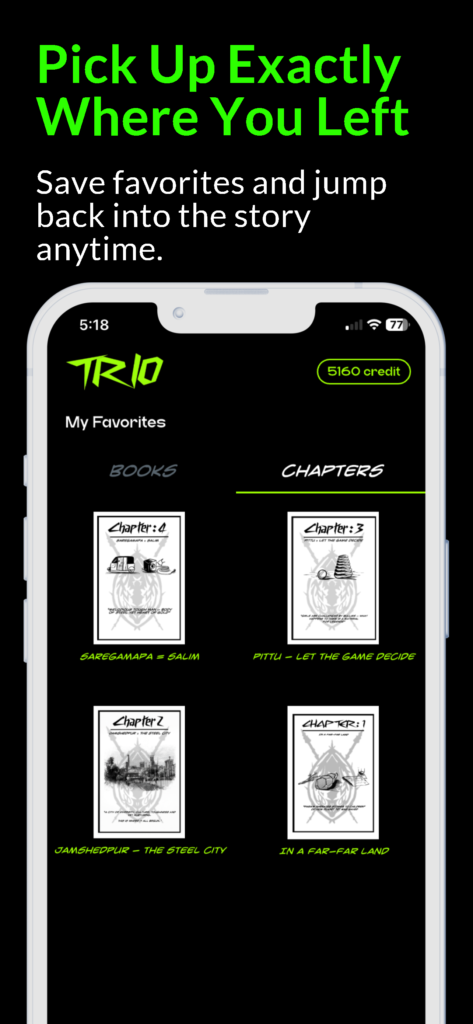
Unlike traditional manga, Trio Manga is designed for modern readers:
- Mobile-optimized reading
- Smooth vertical scrolling
- Seamless chapter transitions
This ensures a better reading experience, especially for smartphone users who prefer on-the-go content.
5. Empowering Indian Creators
Another standout feature of Trio Manga is its creator-first approach:
- Provides a platform for Indian writers and artists
- Encourages original storytelling
- Builds a growing Indian manga community
This is helping India establish its own identity in the global manga ecosystem.
Trio Manga vs Japanese Manga: Key Differences
| Feature | Japanese Manga | Trio Manga |
|---|---|---|
| Cultural Focus | Japanese society & folklore | Indian culture & mythology |
| Storytelling | Traditional & serialized | Modern, diverse, and localized |
| Accessibility | Often translated | Native Indian context |
| Platform | Print + digital | Primarily digital-first |
| Creator Base | Japanese artists | Indian creators |
Why Trio Manga is the Future of Indian Storytelling
India has a vast pool of untold stories, from mythology to modern urban life. Trio Manga taps into this richness and presents it in a globally loved format.
With:
- Exclusive Indian narratives
- Strong female-led storytelling
- Sci-fi blended with cultural themes
- A mobile-first reading experience
Trio Manga is not just competing with Japanese manga—it’s creating a new category altogether.
Final Thoughts
Japanese manga will always remain iconic, but platforms like Trio Manga prove that storytelling is evolving beyond borders.
Conclusion
The rise of Trio Manga marks a turning point in the global manga industry. By combining Indian storytelling with manga-style visuals, it offers readers a unique and immersive experience.
As Indian manga continues to grow, Trio Manga is leading the way—bringing local stories to a global audience.