
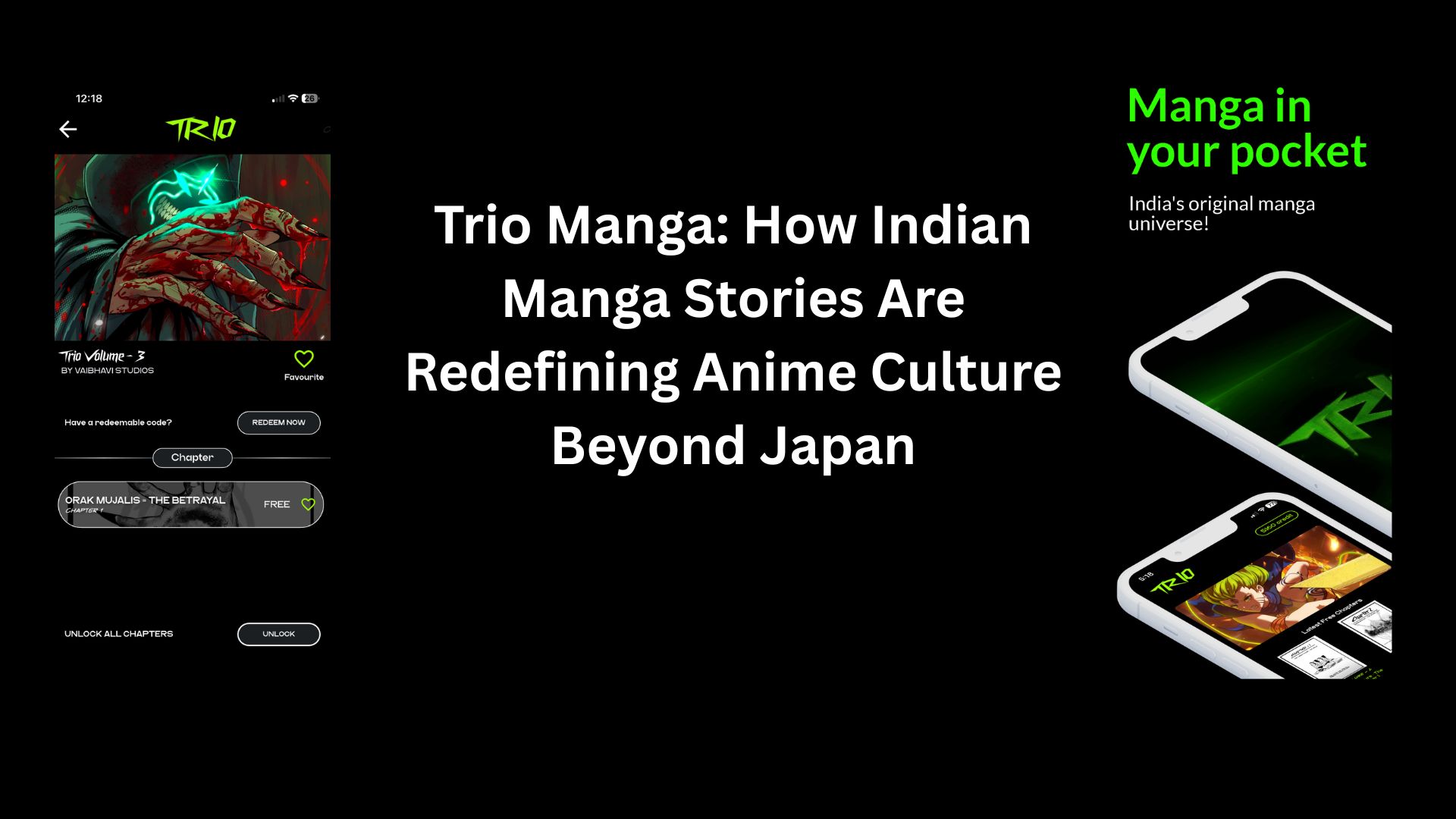

Introduction: The Rise of Indian Manga with Trio Manga
The global popularity of manga has long been dominated by Japan. However, a new wave of storytelling is emerging from India, and Trio Manga is at the forefront of this revolution. Hosted on TrioAnime, this original Indian manga is not just inspired by Japanese styles—it redefines them with local culture, themes, and perspectives.
As Indian creators step into the spotlight, platforms like TrioAnime are building a unique identity for Indian manga that resonates deeply with local audiences while appealing globally.
What is Trio Manga?
Trio Manga is an Indian-origin manga series that blends science fiction, emotional storytelling, and cultural depth. It follows three strong female protagonists navigating a world filled with alien threats, personal struggles, and evolving identities.
Unlike many traditional manga stories, Trio Manga places diverse Indian characters and settings at the center, offering representation rarely seen in mainstream Japanese manga.
Key Differences: Trio Manga vs Japanese Manga
1. Cultural Storytelling with Indian Roots
Japanese manga often reflects Japanese traditions, food, and societal norms. Trio Manga, on the other hand, integrates Indian festivals, cities, and heritage into its narrative.
For example, elements like regional festivals, local foods, and historical references are seamlessly woven into the storyline, creating a rich cultural experience.
This makes Trio Manga more relatable for Indian readers while still being fascinating for global audiences.
2. Strong Female-Centric Narrative
Many traditional shonen manga focus heavily on male protagonists. Trio Manga flips this norm by featuring three powerful female leads with depth, personality, and leadership.
These characters are portrayed as intelligent, brave, and emotionally complex—offering a refreshing change from stereotypical roles.
3. Fusion of Sci-Fi with Social Themes
While Japanese manga often explores fantasy and action, Trio Manga blends science fiction with real-world issues like:
- Gender equality
- Environmental concerns
- Emotional well-being
This layered storytelling makes it both entertaining and meaningful.
4. Indian Identity with Global Appeal
One of the biggest challenges for Indian anime has been balancing local authenticity with global relatability. Trio Manga achieves this by:
- Using universal themes like friendship and survival
- Embedding Indian culture without making it niche
This balance helps it stand alongside global manga while maintaining originality.
5. A Growing Digital Ecosystem (TrioAnime)
Unlike traditional manga distribution, Trio Manga thrives on its digital platform TrioAnime, which offers:
- Exclusive original content
- Regular chapter updates
- Easy accessibility for Indian readers
This ecosystem helps build a community-driven manga culture in India.

Why Trio Manga is Important for India’s Creative Industry
The success of Trio Manga signals a shift in how stories are created and consumed in India:
- Encourages Indian artists to explore manga-style storytelling
- Inspires young readers to engage with visual narratives
- Builds a foundation for a homegrown anime industry
It is not just a comic—it’s a movement aiming to put India on the global anime map.
How Trio Manga Connects with Indian Youth
Indian youth resonate strongly with Trio Manga because it:
- Reflects modern struggles and emotions
- Offers relatable characters and settings
- Feels fresh compared to traditional academic reading
Platforms like TrioAnime make this experience even more engaging by combining storytelling with accessibility and community interaction.
Conclusion: The Future of Indian Manga is Here
Trio Manga is more than just an alternative to Japanese manga—it represents the evolution of storytelling in India. By blending cultural authenticity with global storytelling techniques, it creates a unique identity that stands out in the crowded manga industry.
As platforms like TrioAnime continue to grow, the future of Indian manga looks promising, innovative, and globally competitive.