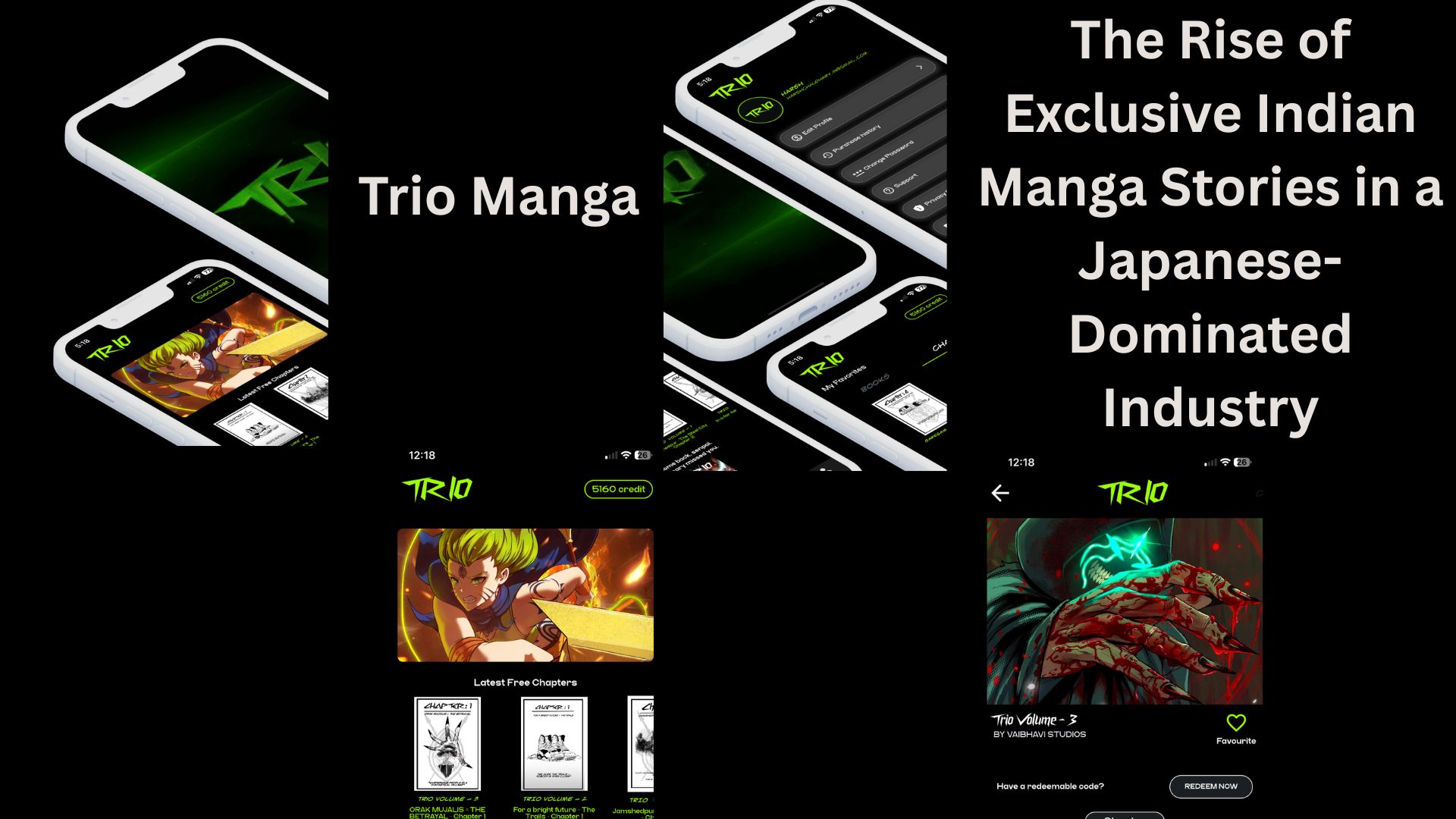

In recent years, the Indian manga scene has been gaining serious momentum — and at the forefront of this cultural shift is Trio Manga, an exciting new wave of storytelling that blends Indian narratives with the dynamic visual style of manga. But what exactly sets Trio Manga apart from traditional Japanese manga? Let’s dive in.
1. Cultural Roots and Storytelling Traditions
One of the biggest differences between Trio Manga and Japanese manga is the cultural backdrop. Japanese manga is deeply shaped by Japanese folklore, social norms, and historical themes that resonate with its local audiences. Meanwhile, Trio Manga brings Indian ethos — festivals, mythology, regional dialects, and indigenous philosophies — straight into the art and narrative.
This cultural richness gives Trio Manga its own identity, allowing it to speak both to Indian readers who crave representation and global readers eager for something fresh.
2. Unique Character Archetypes and Themes
Traditional Japanese manga often centers around themes like shonen (young male heroes), shojo (romantic slices of life), or isekai (alternate worlds). Trio Manga, on the other hand, introduces characters grounded in Indian heritage — from warriors inspired by epics like the Mahabharata or Ramayana, to modern-day heroes navigating India’s diverse urban landscape.
This balance of traditional motifs with contemporary settings gives Trio Manga a compelling uniqueness.
3. Art Style: A Blend of East Meets South Asian Flair
While staying true to the expressive and dynamic art style manga fans love, Trio Manga incorporates South Asian artistic influences. The traditional clothing, architectural elements, and visual aesthetics reflect Indian culture without losing the fluidity and emotional depth typical of manga.
This visual fusion makes Trio Manga instantly recognizable and equally appealing to readers who love detailed artwork and cultural authenticity.
4. Language and Dialogue
Language plays a big role in differentiating Trio Manga from its Japanese counterparts. While Japanese manga uses Japanese expressions and nuances, Trio Manga often features English and regional Indian languages — bringing dialogue that feels authentic to Indian characters and settings.
This not only makes the narrative more relatable for Indian readers but also helps international audiences connect with the context through translations and adaptations.

5. Themes of Identity, Culture & Modern India
Another standout difference is the thematic focus. Trio Manga tackles uniquely Indian issues — tradition vs modernity, societal expectations, urbanization, and multicultural identity — themes that are sometimes underrepresented in Japanese manga.
By addressing these topics, Trio Manga not only entertains but also sparks conversation, reflection, and community engagement.
Why Trio Manga Matters
From its culturally rich storytelling to its distinct artistic approach, Trio Manga is redefining what it means to be a manga in the Indian context. As Indian manga stories grow in popularity, they’re not only building a dedicated audience at home but also introducing readers worldwide to vivid new worlds born from India’s unique narrative heritage.
Whether you’re a long-time manga fan or new to the genre, Trio Manga offers something fresh, vibrant, and deeply rooted in culture.
Conclusion
As the boundaries of manga continue to expand, Trio Manga stands out with its blend of Indian spirit and global appeal. Its unique storytelling, characters, and themes provide a refreshing contrast to traditional Japanese manga — making it an exciting phenomenon worth exploring.